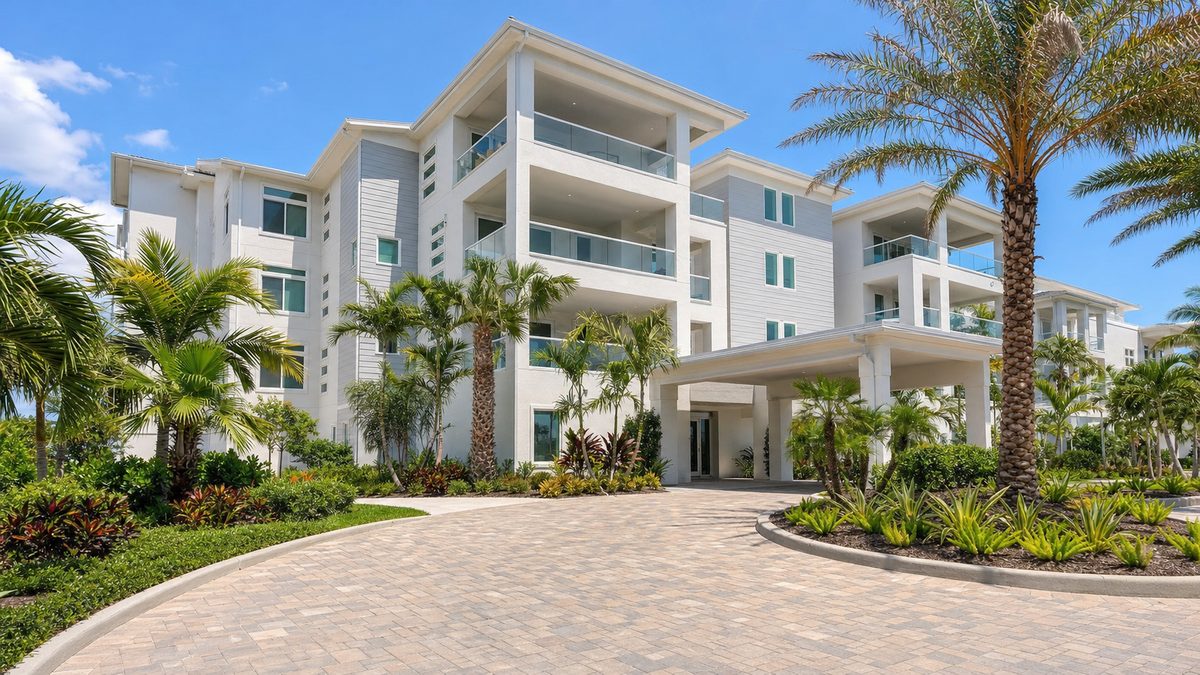
Your buyer just fell in love with a beautiful Sarasota beachfront condo. They wrote the offer, the seller accepted, you're 14 days in — and the loan officer calls to tell you the building is non-warrantable. The deal blows up. Your buyer is devastated. The seller is furious. And your reputation just took a hit you didn't deserve, because nobody told you the condo questionnaire was going to come back ugly. Florida condo lending in 2026 is a minefield, and the agents who know how to spot the problems before writing the contract are the ones still closing deals while everyone else is chasing refunds.
Here's what every Florida realtor needs to know.
The Two Words That Kill Florida Condo Deals: "Non-Warrantable"
A warrantable condo is one that meets Fannie Mae and Freddie Mac guidelines for conventional financing. A non-warrantable condo doesn't — and the moment a loan officer hears "non-warrantable," conventional financing is off the table. So is FHA in most cases. Your buyer is suddenly looking at portfolio loans, non-QM products, or a much larger down payment.
The most common reasons a Florida condo gets flagged non-warrantable:
- Investor concentration over 50% — more than half the units are rentals or investor-owned
- Single-entity ownership over 25% — one entity owns too many units (common in newer developments where a developer hasn't sold out)
- Pending or active litigation against the HOA — Florida condos especially after the Surfside-driven reforms have a high rate of structural litigation
- Insufficient reserves — Florida law now requires more aggressive reserve studies; older buildings often fall short
- Commercial space over 35% of total building square footage (mixed-use beachfront buildings often trip this)
- HOA dues delinquency over 15% of units
If your buyer is looking at a condo, you should be asking the listing agent these questions before the offer is written, not 21 days into the transaction.
The Florida Condo Questionnaire: The Document That Decides Everything
Every Florida condo loan requires a condo questionnaire — a multi-page document the HOA or property manager completes for the lender. It covers ownership concentration, litigation, reserves, insurance, structural issues, and special assessments. The answers on that questionnaire decide whether your buyer's loan funds.
Two practical realities Florida realtors need to know:
- Some HOAs charge $200–$500 and take 2-4 weeks to complete the questionnaire. Build that timeline into your contract. A 21-day close with a 28-day questionnaire response is a guaranteed delay.
- Some HOAs refuse to complete the questionnaire entirely. In that case, your buyer's options collapse to portfolio lenders who can use a "limited review" or self-completed questionnaire — usually at a higher rate or larger down payment.
The agent move: get the condo questionnaire ordered and underway the day the contract is signed, not the day the loan officer asks for it. Pre-existing questionnaires (recent ones from the HOA) can sometimes be used if the HOA will refresh them quickly.
The Florida Post-Surfside Reality
After the Surfside tragedy, Florida implemented sweeping condo safety legislation requiring structural inspections (Milestone Inspections) and Structural Integrity Reserve Studies (SIRS) for buildings three stories or taller, generally 30 years or older. This has changed the lending landscape dramatically.
What this means for your buyer:
- Older coastal condos in Sarasota, Siesta Key, Anna Maria, Lido Key, and Tampa Bay are facing significant special assessments — sometimes $20,000 to over $100,000 per unit — to fund repairs and reserves
- Many lenders now require disclosure of pending or completed Milestone Inspections before they'll lend on units in qualifying buildings
- Pending special assessments must be disclosed in the condo questionnaire and can affect the buyer's debt-to-income ratio
- Buildings with deferred structural issues are increasingly difficult or impossible to finance through conventional channels
The smart Florida agent now asks for the Milestone Inspection status, the SIRS report, and pending assessment information before writing the contract — not after.
A condo deal in Florida lives or dies on three documents: the questionnaire, the Milestone Inspection, and the reserve study. Don't write an offer until you've at least asked about all three.
What to Tell Your Buyer Before They Make an Offer on Any Florida Condo
You're not the lender. You don't have to know every detail of underwriting. But you do have to set expectations correctly so your buyer doesn't get blindsided. Have this conversation before they fall in love with a unit:
- "Condo financing in Florida is more complicated than single-family. Let's get the building pre-screened with my lending partner before we write."
- "Your loan options can shift based on the building, not just your file. Conventional, FHA, VA, portfolio, and non-QM all have different rules for condos."
- "There may be special assessments, pending litigation, or reserve issues that affect your loan. We'll know before you commit."
- "Closing on a Florida condo typically takes 30-45 days, not 21. Plan accordingly."
That single conversation positions you as the agent who actually knows the market — and saves you a deal-killing surprise.
The Lender Pre-Screen Move That Saves Deals
The single most valuable move a Florida realtor can make in 2026: send the building name and address to your lending partner before the buyer writes an offer. A good loan officer can typically tell you within 24 hours whether the building has been financed recently by their team, whether known issues exist, and what loan products will work.
For non-warrantable buildings, your lending partner should have access to:
- Portfolio condo loans that bypass Fannie/Freddie guidelines (often 15-20% down with rate adjustments)
- Non-QM condo loans for buyers with non-traditional income or building issues
- Investor-condo programs for buyers planning to rent the unit
- Higher-LTV jumbo programs for higher-priced beachfront units
The condo market in Florida hasn't slowed — it's just gotten harder to finance. The agents who partner with a lender who actually understands warrantability, knows the local buildings, and can pre-screen properties in 24 hours are the ones still closing condo deals while everyone else watches contracts fall apart in week three.
Explore our buyer-facing mortgage network:
SarasotaFHALoan.com · FloridaFHALoan.com · FloridaConvLoan.com · VAFloridaLoan.com · DSCRFloridaLoan.com
Want buyer leads delivered to you?
Realtor Hit List connects top Florida agents with exclusive buyer opportunities through a selective lending partnership.
Apply for Partner Status